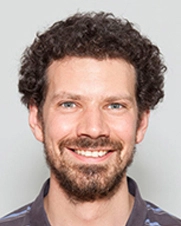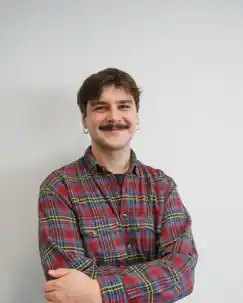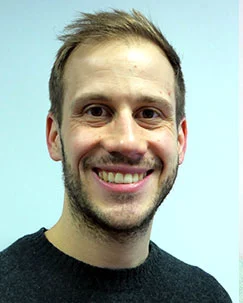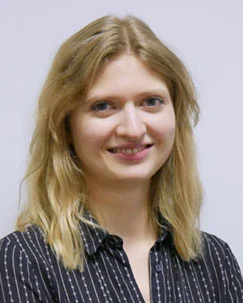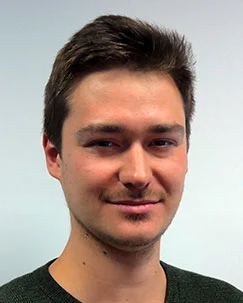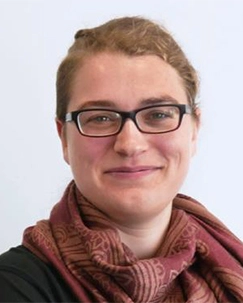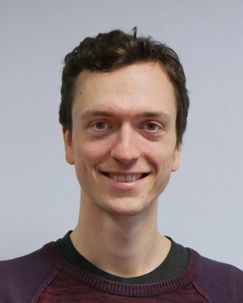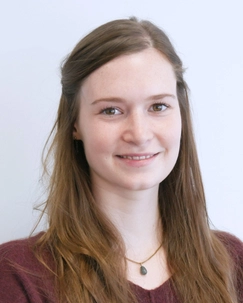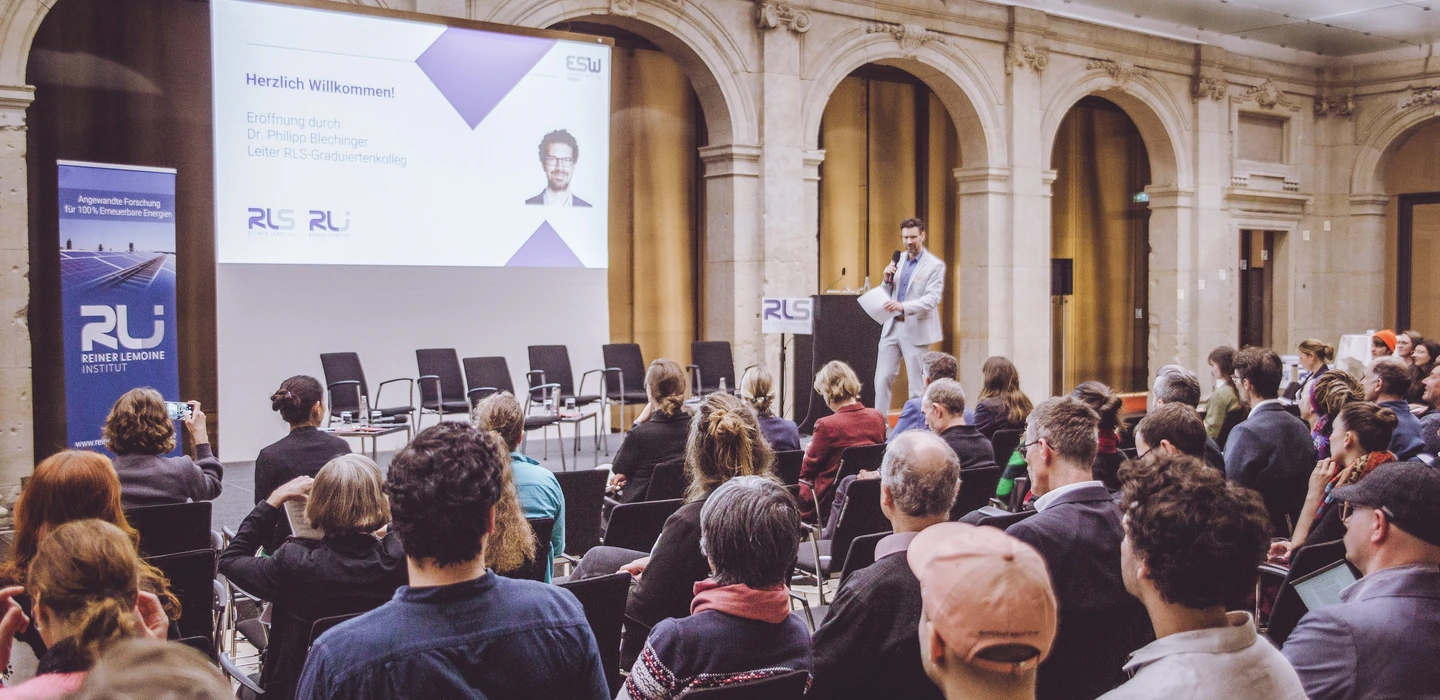
The RLS graduate school was established in January 2020. Its interdisciplinary team conducts research in individual PhD projects on issues related to the energy system transition. The graduate school is located at the Reiner Lemoine Institute in Berlin-Adlershof. In our practical and applied research work, we are supported by a network of mentors.
The goal of the graduate school is to better understand systemic obstacles to the energy transition and to develop targeted solutions that will create the necessary conditions for an energy system with 100 % renewable energies. The PhD students therefore focus in particular on questions of flexibility, decentralisation, sector coupling and the social aspects of an energy system transition.
Contact:
Reiner Lemoine Kolleg (RLK)
c/o Reiner Lemoine Institut
Rudower Chaussee 12, 12489 Berlin
Telefon: +49 30 1208 434 90
E-Mail: info@rl-kolleg.de
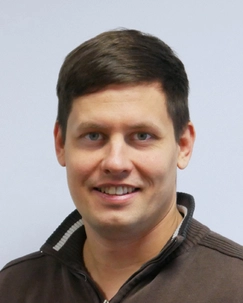
PhD Group Lead: Philipp Blechinger
Acting phD Group Lead: Martha M. Hoffmann

How is the energy transition changing our city –
and our everyday lives?
On this walk through Berlin you can visit six places where this becomes concrete: a district heating plant, a photovoltaic system, a substation, and more.
At each stop, PhD researchers from the Reiner Lemoine Kolleg explain how the site relates to the energy transition and what research on it is being done in the graduate school.
From the heat transition and citizen energy to the social justice of the energy transition:
We connect science with the urban space we use every day.
You can find the interactive map here:

The route: six stops, about 3.2 km.