
Science and research have an essential purpose. It is crucial that the knowledge gained can also have an impact.
The focus of the RLS activities on shaping the energy system means that the topics are relevant daily on the one hand and have to find a socio-political application on the other.
Based on this understanding, the Foundation also enters into dialogue with political decision-makers and actors from the pre-political sphere. One example of this is a political discussion on the energy system transformation.
TEXT WIRD IN RESSOURCE 320 ERSTELLT, RESSOURCE DIENT NUR NOCH FÜR DEN TOP-NAVIGATIONSLINK
TEXT WIRD IN RESSOURCE 320 ERSTELLT, RESSOURCE DIENT NUR NOCH FÜR DEN TOP-NAVIGATIONSLINK
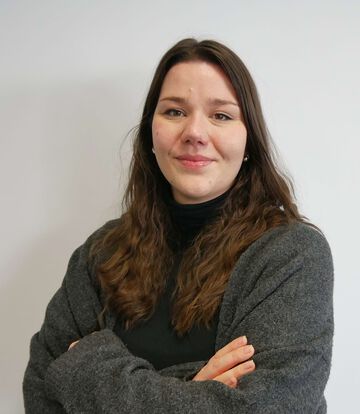
In her doctoral research, Merle-Marie Johannsen focuses on questions of societal acceptance of renewable energy technologies and the infrastructures associated with them. Her research aims to quantitatively capture and analyze regional differences in acceptance across Germany. Based on these findings, she develops—using qualitative methods—a context-sensitive governance instrument that enables early-stage and needs-oriented citizen engagement in energy transition planning processes. Through her work, she seeks to contribute to a more socially just, context-sensitive, and sustainable design of transformation processes. Her research is supervised by Prof. Dr. Nicolas Jaeger at the Chair of Environmental Governance at TU Berlin.
She completed her master’s degree in Environmental Planning at TU Berlin, where she also worked as a student research assistant with teaching responsibilities at the Chair of Environmental Governance. In addition, she was involved in the project “Democratic Environmental Protection and Counter-Strategies Against Right-Wing Extremism” funded by the Heidehof Foundation, where she researched political influence, democracy-promoting environmental communication, and actor constellations within the environmental sector.
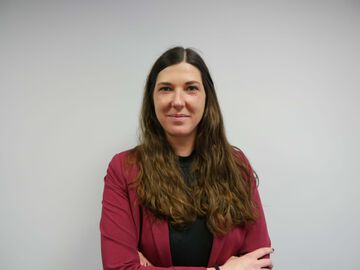
Agatha Majcher is a doctoral candidate at the Reiner Lemoine Kolleg (Graduate School EnergieSystemWende) and the Europa-Universität Flensburg, where she is part of the FossilExit research group. She is supervised by Prof. Dr. Pao-Yu Oei (Energy and Environmental Management, EUF). In her dissertation, Agatha investigates the distributional impacts and acceptance conditions of CO₂ pricing and the phase-out of fossil fuel subsidies, and how these policies affect households and national energy systems. Methodologically, she combines microsimulation and energy system modelling to assess policy design options across different societal contexts.
Previously, she worked at Technische Universität Berlin’s Coordination and Advisory Office for Environmental Issues, supporting civil society projects on socio-ecological sustainability and transdisciplinary learning formats. At the German Energy Agency (dena), she contributed to projects on improving energy efficiency in the building sector and developed studies, strategies, and financing models.
Agatha holds an M.Sc. in Renewable Energy Systems from Technische Universität Berlin. She earned her B.Eng. in Process, Energy and Environmental Engineering from Hochschule Düsseldorf and the Cape Peninsula University of Technology in Cape Town, South Africa. During her studies, she gained experience in interdisciplinary and project-based teaching and research on energy and climate.
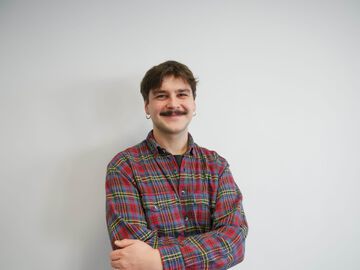
In his doctoral research, Simon focuses on the analysis of heat and hydrogen concepts within the context of integrated energy systems. The work concentrates on evaluating the low-temperature waste heat potential of electrolyzers and their systemic integration into heating systems. The objective is to identify efficiency potentials that have so far received limited attention.
Simon’s doctorate research is conducted as a cooperative program at the Chair of Building Energy Systems and Heat Supply at TU Dresden under the supervision of Prof. Dr.-Ing. Clemens Felsmann, and the Department of Energy and Environmental Engineering under Prof. Dr.-Ing. Lutz Dittmann.
Simon began his professional career as a plant mechanic for heat supply systems. During his B.Sc. in Building and Energy Technology and his subsequent M.Sc. in Sustainable Building Design at the Berlin University of Applied Sciences, he developed methodological skills for evaluating thermal and building systems. He completed his master’s thesis at the Reiner Lemoine Institute under the supervision of Dr.-Ing. Andreas Christidis, where he gained his first experience in energy system modelling.
In addition to his academic work, Simon is active as an energy efficiency expert for federal funding programs and supports the project development of heat pump systems.

Here we have provided some downloads for you.


The Reiner Lemoine Foundation has awarded almost 100 scholarships since it was established. What the scholarship holders have in common is that they all work or have worked on topics in the field of renewable energies.
Until 2018/2019, the scholarship program was implemented through individual scholarships. Since 2020, the scholarship program has been continued as a PhD program.
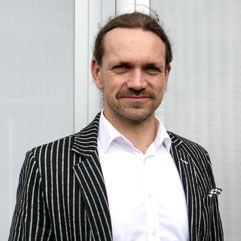
Oliver Arnhold studied automotive engineering (Dipl.-Ing.) and renewable energy systems (M.Sc.). After working in vehicle development, he became part of the founding team of the Reiner Lemoine Institute (RLI). There, he established the mobility division until he and Kathrin Goldammer founded the company Localiser in the fall of 2018.
“The transformation of the energy system has fascinated me both professionally and personally for more than 15 years. That"™s why I am excited about my role on the advisory board of RLS."
In her doctoral research, Merle-Marie Johannsen focuses on questions of societal acceptance of renewable energy technologies and the infrastructures associated with them. Her research aims to quantitatively capture and analyze regional differences in acceptance across Germany. Based on these findings, she develops—using qualitative methods—a context-sensitive governance instrument that enables early-stage and needs-oriented citizen engagement in energy transition planning processes. Through her work, she seeks to contribute to a more socially just, context-sensitive, and sustainable design of transformation processes. Her research is supervised by Prof. Dr. Nicolas Jaeger at the Chair of Environmental Governance at TU Berlin.
She completed her master’s degree in Environmental Planning at TU Berlin, where she also worked as a student research assistant with teaching responsibilities at the Chair of Environmental Governance. In addition, she was involved in the project “Democratic Environmental Protection and Counter-Strategies Against Right-Wing Extremism” funded by the Heidehof Foundation, where she researched political influence, democracy-promoting environmental communication, and actor constellations within the environmental sector.
Agatha Majcher is a doctoral candidate at the Reiner Lemoine Kolleg (Graduate School EnergieSystemWende) and the Europa-Universität Flensburg, where she is part of the FossilExit research group. She is supervised by Prof. Dr. Pao-Yu Oei (Energy and Environmental Management, EUF). In her dissertation, Agatha investigates the distributional impacts and acceptance conditions of CO₂ pricing and the phase-out of fossil fuel subsidies, and how these policies affect households and national energy systems. Methodologically, she combines microsimulation and energy system modelling to assess policy design options across different societal contexts.
Previously, she worked at Technische Universität Berlin’s Coordination and Advisory Office for Environmental Issues, supporting civil society projects on socio-ecological sustainability and transdisciplinary learning formats. At the German Energy Agency (dena), she contributed to projects on improving energy efficiency in the building sector and developed studies, strategies, and financing models.
Agatha holds an M.Sc. in Renewable Energy Systems from Technische Universität Berlin. She earned her B.Eng. in Process, Energy and Environmental Engineering from Hochschule Düsseldorf and the Cape Peninsula University of Technology in Cape Town, South Africa. During her studies, she gained experience in interdisciplinary and project-based teaching and research on energy and climate.
In his doctoral research, Simon focuses on the analysis of heat and hydrogen concepts within the context of integrated energy systems. The work concentrates on evaluating the low-temperature waste heat potential of electrolyzers and their systemic integration into heating systems. The objective is to identify efficiency potentials that have so far received limited attention.
Simon’s doctorate research is conducted as a cooperative program at the Chair of Building Energy Systems and Heat Supply at TU Dresden under the supervision of Prof. Dr.-Ing. Clemens Felsmann, and the Department of Energy and Environmental Engineering under Prof. Dr.-Ing. Lutz Dittmann.
Simon began his professional career as a plant mechanic for heat supply systems. During his B.Sc. in Building and Energy Technology and his subsequent M.Sc. in Sustainable Building Design at the Berlin University of Applied Sciences, he developed methodological skills for evaluating thermal and building systems. He completed his master’s thesis at the Reiner Lemoine Institute under the supervision of Dr.-Ing. Andreas Christidis, where he gained his first experience in energy system modelling.
In addition to his academic work, Simon is active as an energy efficiency expert for federal funding programs and supports the project development of heat pump systems.
Here we have provided some downloads for you.
The Reiner Lemoine Foundation has awarded almost 100 scholarships since it was established. What the scholarship holders have in common is that they all work or have worked on topics in the field of renewable energies.
Until 2018/2019, the scholarship program was implemented through individual scholarships. Since 2020, the scholarship program has been continued as a PhD program.
Oliver Arnhold studied automotive engineering (Dipl.-Ing.) and renewable energy systems (M.Sc.). After working in vehicle development, he became part of the founding team of the Reiner Lemoine Institute (RLI). There, he established the mobility division until he and Kathrin Goldammer founded the company Localiser in the fall of 2018.
“The transformation of the energy system has fascinated me both professionally and personally for more than 15 years. That"™s why I am excited about my role on the advisory board of RLS."

